
Chronic Obstructive Pulmonary Disease | Answers & Resources
What is COPD?
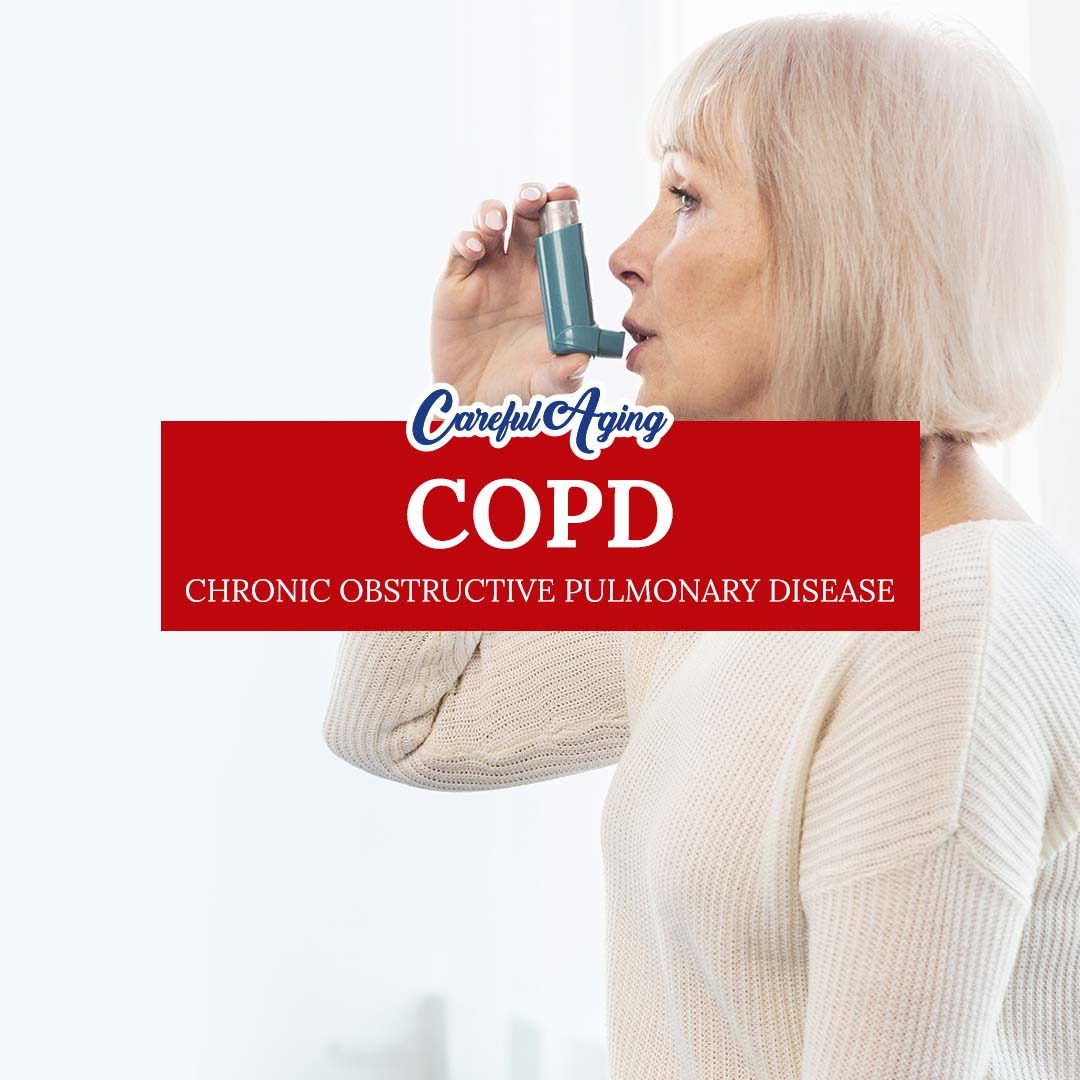
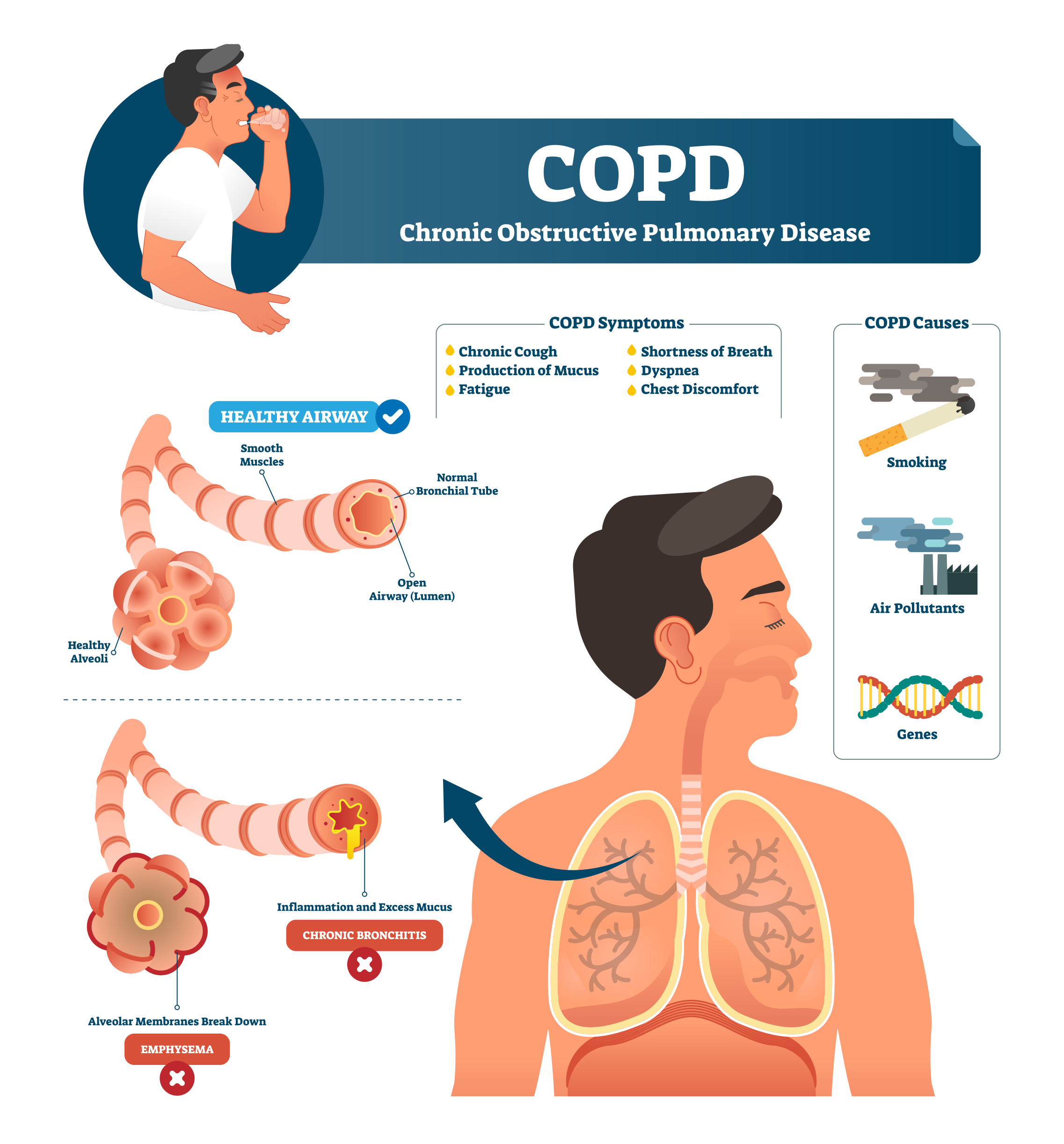
Chronic Obstructive Pulmonary Disease (COPD) is a phrase that is used to describe a group of lung diseases, including emphysema and chronic bronchitis. You might also hear these diseases referred to as Chronic Obstructive Lung Disease (COLD). Both COPD and COLD refer to the same progressive diseases and symptoms.
It is easy to understand what this disease is if you break the phrase down:
- Chronic – Lasts over time; no cure
- Obstructive – Air is partially blocked going into or out of your lungs
- Pulmonary – Lungs
- Disease – Damage
So, in other words, COPD is damage to the lungs caused by blockage of air going into or out of your lungs that lasts over time. With a basic understanding of how your respiratory (breathing) system works, you can better understand COPD.
- When you inhale, air goes through the mouth or nose and into the pharynx where it is warmed.
- The air goes over the larynx where your voice box is located and through the trachea.
- The trachea divides into two bronchi where the air goes either to the right or left lung.
- The air goes through the bronchioles, which are progressively smaller airways as they go further into the lungs.
- The bronchioles end in the alveoli, which are small pockets where the actual air exchange occurs.
“We May Encounter Many Defeats But We Must Not Be Defeated.”
― Maya Angelou
7 Best Monthly Medication Sets You Have to Try in 2020
Managing medication either for yourself or a loved one can not only be a big problem but also can lead to serious major health concerns. Studies have shown that over 55% of Americans have admitted to taking a medication incorrectly at some point. In some cases this can lead to long term complications, hospitalization or death.

7 Best Weekly Medication Sets You Have to Try in 2020
Managing medication either for yourself or a loved one can not only be a big problem but also can lead to serious major health concerns. Studies have shown that over 55% of Americans have admitted to taking a medication incorrectly at some point. In some cases this can lead to long term complications, hospitalization or death.
Cerebrovascular Accident or “Stroke” – Resources & FAQ
“CVA”. This might be a word that you think of every day or one that you’ve never heard before. What is a CVA? Are you at risk? What can you expect if you’ve had a CVA? How can I help my loved one through this experience? All these questions and more are just ahead.
“Whether You Think You Can Or Think You Can’t, You’re Right.”
– Henry Ford
What causes COPD?
COPD is caused when the bronchioles and alveoli in the lungs become blocked by mucus or swelling from inflammation. The main cause of COPD is smoking, but COPD can also be caused by the environment (dust, pollution, smoke, and chemicals). As your exposure to these toxins increases over time, you are at higher risk for COPD.
Some people with asthma may develop COPD, especially if the asthma is not well-controlled. A genetic condition (alpha-1 antitrypsin deficiency) is very rare, but people with this condition may develop lung damage that increases the risk for COPD. In emphysema, the alveoli in the lungs are destroyed. In chronic bronchitis, the lining of the bronchioles becomes inflamed and swollen. A person with COPD often has both conditions at the same time.
What are the risk factors for COPD?
Smoking and inhaling other toxins are the most common risk factors for COPD. Secondhand smoke is now recognized as a risk factor for COPD. In other words, you do not have to be a smoker to inhale tobacco smoke if someone around you is smoking. If a close relative in your family has or had a history of COPD, that raises your risk for the disease. As you age, your risk for the development of COPD increases. This is probably a result of years of exposure to smoke and other environmental toxins. If you had many respiratory infections as a child, this might make your risk for COPD higher.
Obviously, you cannot control your age, family history, and history of previous infections. However, if you smoke, stop. As much as possible, avoid environmental exposure to secondhand smoke and other toxins. Controlling the risk factors may help decrease your risk of COPD.
What are the signs and symptoms of COPD?
Now that you know what happens with COPD and the risk factors, it is easier to understand the signs and symptoms of the disease. Remember, the bronchioles and alveoli are damaged in this disease.
The most common signs and symptoms of COPD may include:
- Shortness of breath that gets worse with activity
- Fatigue that gets worse as the disease gets worse
- Wheezing when you breathe
- Fast heartbeat
- Coughing that may or may not produce mucus
- Chest tightness or pain
- Respiratory infections that occur more and more often
- Blueness of lips and nail beds in an acute attack
- Ankle and feet swelling in later stages
- Weight loss and decreased muscle mass in later stages
- Decreased alertness in later stages
What are the tests for COPD?
If you notice any of the symptoms of COPD, make an appointment with your healthcare provider. Many diseases may share the same symptoms as COPD, so you should visit your provider if you have persistent symptoms. When you arrive for your appointment, your provider may do one or more of these tests:
- Pulmonary function tests measure the amount of air you take into your lungs when you inhale and blow out when you exhale. The most common test is the spirometry test that measures how much air you can inhale and how fast you can blow it out. Other pulmonary function tests will measure lung volumes and the amount of oxygen in your body.
- A chest x-ray (CXR) is a simple radiology exam can help to identify emphysema while ruling out other heart and lung problems
- A CT scan will provide your doctor with a more extensive look at your lungs.
- Arterial blood gas analysis is a blood test using blood taken from one of your arteries (usually in the wrist). This test gives your healthcare provider a tremendous amount of information about the oxygen, carbon dioxide, bicarbonate, and pH levels in your blood. These levels can tell your healthcare provider about how well your lungs are doing their job in exchanging air.
- Other laboratory blood tests can help to rule out other causes of your symptoms.
What are the stages of COPD?
Stage 1 – Mild
You may not realize you have an issue; Some cough; Some phlegm. Treatment: Consult with your healthcare provider for testing, referrals, and development of a plan.
Stage 2 – Moderate
More coughing and increased phlegm; More shortness of breath. Treatment: Bronchodilators (medications to open your airways); May begin pulmonary rehabilitation to learn how to breathe better.
Stage 3 – Severe
Function of lungs decreases resulting in increased shortness of breath, fatigue, and decreased ability to participate in activities. Treatment: Bronchodilators and corticosteroids (to reduce inflammation); Your healthcare team will monitor you closely.
Stage 4 – End-Stage
Life-threatening breathing issues with decreased oxygen in the blood; Hypoxia (decreased oxygen in your body) and/or hypoxemia (decreased oxygen in your blood) may develop. Treatment: Bronchodilators and corticosteroids; Your healthcare team will monitor you closely; Your team may prescribe oxygen at night or all the time to help you breathe.
“Always remember you are braver than you believe, stronger than you seem, smarter than you think and twice as beautiful as you’ve ever imagined.”
― Dr. Seuss
7 Best Monthly Medication Sets You Have to Try in 2020
Managing medication either for yourself or a loved one can not only be a big problem but also can lead to serious major health concerns. Studies have shown that over 55% of Americans have admitted to taking a medication incorrectly at some point. In some cases this can lead to long term complications, hospitalization or death.
7 Best Weekly Medication Sets You Have to Try in 2020
Managing medication either for yourself or a loved one can not only be a big problem but also can lead to serious major health concerns. Studies have shown that over 55% of Americans have admitted to taking a medication incorrectly at some point. In some cases this can lead to long term complications, hospitalization or death.
Cerebrovascular Accident or “Stroke” – Resources & FAQ
“CVA”. This might be a word that you think of every day or one that you’ve never heard before. What is a CVA? Are you at risk? What can you expect if you’ve had a CVA? How can I help my loved one through this experience? All these questions and more are just ahead.
“You’ve survived 100 percent of everything in your life so far, so there’s a pretty good chance that you’ll survive whatever is next.”
– Timber Hawkeye
What are the treatments for COPD?
Before starting any treatment, your healthcare provider will do several tests and will attempt to determine the stage of your COPD. Although there is no cure for COPD, there are treatments for the symptoms of the disease. Treating the symptoms may help slow the disease progression and prevent complications.
The first thing the team will recommend is that you stop smoking and avoid any other environmental irritants. Your provider may give you medications to help you quit smoking. The team may have a dietician talk to you about getting enough calories and vitamins in your diet. Your doctor may recommend you see physical and occupational therapists who can help you with exercises to increase your endurance or make your daily tasks easier for you to do. The team may also recommend that you begin a pulmonary rehabilitation program that includes all the therapies you will need to improve your breathing. As a preventative measure, your doctor will likely recommend that you get a flu shot each year to reduce your risk of getting influenza. As you age, your healthcare team will recommend that you receive a pneumococcal vaccine to reduce your risk of getting pneumococcal pneumonia.
Your healthcare provider is likely to order medications to help with COPD symptoms. These medications may include:
- Bronchodilators may be used to relax the muscles around the airways and increase the diameter of the inside of the bronchioles. Depending on the specific bronchodilator ordered, the medicine is usually given through an inhaler. Your team will teach you how to use the specific inhaler for the medication ordered. Bronchodilators are short-acting lasting less than 6 hours or long-acting lasting more than 12 hours. Depending on the stage and severity of your disease, the bronchodilator may be used as needed or on a scheduled routine. Your team will tell you how to use the inhaler, but be sure to ask any questions if you are not sure how often to use the medication. Examples of short-acting bronchodilators are albuterol and ipratropium. Long-acting bronchodilators include drugs such as Serevent, Spiriva, and others.
- Bronchodilators with glucocorticoids are used when your symptoms are more intense, and a bronchodilator alone is not enough. The addition of the glucocorticoids will help to reduce the inflammation in the airways. Examples of these combination treatments include Breo Ellipta, Symbicort, Advair, Combivent Respimat, and others.
- Roflumilast is a phosphodiesterase-4 inhibitor that decreases airway inflammation and constriction. This medication is typically used in people with severe COPD.
- Theophylline is an older and cheaper medication that can be used when other medications are not effective.
- Antibiotics will be prescribed if you get a respiratory infection such as pneumonia or bronchitis.
- Although most people do not think of oxygen as a medication, it is a potent therapy when you do not have enough oxygen in your blood. Your healthcare team will work with you to determine the correct timing for starting oxygen.
What can I do at home to manage my COPD?
Your healthcare team will work with you to develop a plan for managing COPD at home. This plan will likely include medications, as described above. Be sure to take your medications as they are prescribed. Your doctor may want you to try bilevel positive airway pressure (BiPAP) treatments at home to help your breathing and decrease the amount of carbon dioxide in your body.
Exacerbations, or acute worsening of your symptoms, may happen even if you do everything as ordered. Usually, these exacerbations are triggered by environmental factors or infection. If you notice sudden and prolonged changes in your symptoms, get in touch with your healthcare team. Your provider will probably want to examine you and may order additional treatments or medications. It is important NOT to ignore changes in your breathing, coughing, or phlegm production.
How can I get support for COPD?
The first place to start when looking for support is with your healthcare team. They are knowledgeable about you and your condition. This team will likely have other sources of support as you learn to live with COPD. If you live close to a major hospital, there may be support resources available through that facility. There are excellent advocacy and support groups online where you can find answers to questions and excellent resources for you and your friends and family. Some of these groups include:
- American Lung Association Better Breathers Club
- American Lung Association Living with COPD
- COPD Foundation
- COPD-Support