
Depression in the Elderly
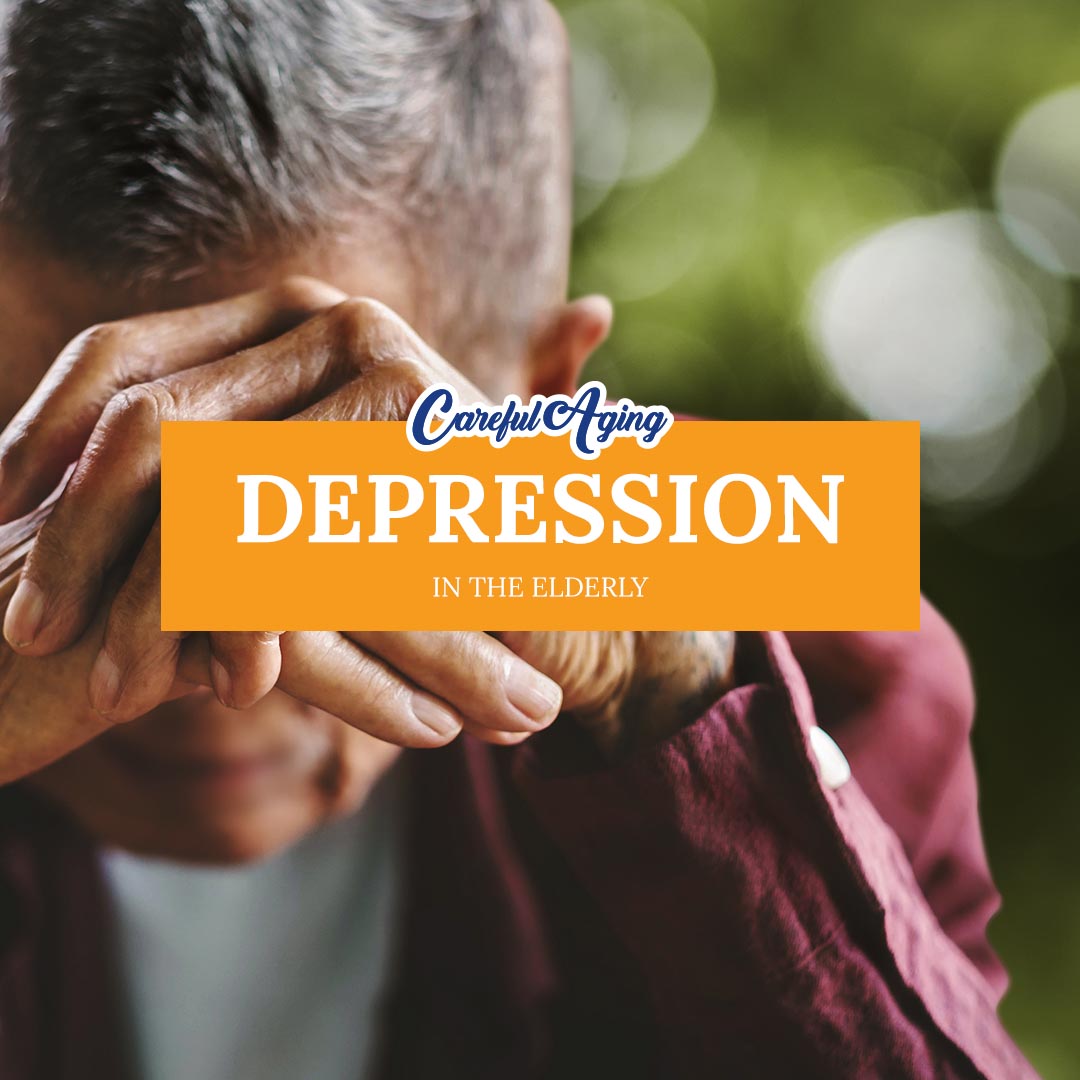
TABLE OF CONTENTS
- What Is Depression?
- Depression In The Elderly
- What Does Depression Look Like in the Elderly?
- Is It Grief Or Is It Depression?
- What Are The Causes Of Depression in the Elderly?
- What Are Some Medical or Health Conditions That Can Cause Depression In The Elderly?
- Common Medications That Can Cause Depression
- Is It Depression or Dementia? Medication Side Effect or Medical Condition?
- Ways To Help A Loved One With Depression
- When To Seek Professional Help for Depression
- Depression is Not a Normal Sign of Aging
- References
TABLE OF CONTENTS
- What Is Depression?
- Depression In The Elderly
- What Does Depression Look Like in the Elderly?
- Is It Grief Or Is It Depression?
- What Are The Causes Of Depression in the Elderly?
- What Are Some Medical or Health Conditions That Can Cause Depression In The Elderly?
- Common Medications That Can Cause Depression
- Is It Depression or Dementia? Medication Side Effect or Medical Condition?
- Ways To Help A Loved One With Depression
- When To Seek Professional Help for Depression
- Depression is Not a Normal Sign of Aging
- References
What Is Depression?
Depression is different than temporary sadness or feeling “down”. Depression is a very common but serious mood disorder that is diagnosed by professionals and requires treatment. The symptoms of depression vary from individual but can significantly impact all areas of a person’s life.
Depression can impact all the following and more.
- Self-concept and worth
- Thought processes
- Ability to perform self-care activities
- Sleep
- Work
- Sexuality
- Energy
- Independence
Depression is a real illness diagnosed by criteria in the DSM-5 by professionals. The person is not being “selfish” or “lazy” and cannot just “snap out of it”.
Depression In The Elderly
Older people certainly have lots of reasons to be sad at times. After all, living a long time guarantees the loss of loved ones and the world that used to be. Loss is inherent as people age. Older individuals sometimes experience the loss of loved ones, independence, career identity, and so many other things and these can cause feelings of anxiety, depression, and hopelessness. Often, individuals can work through these feelings, but sometimes they cannot. Sometimes depression in the elderly is related to a medical condition or medication side effects.
It should be emphasized that while depression in common in the elderly, it is not considered a normal part of aging. While being sad and experiencing grief is certainly common with the elderly, clinical depression is not.
The important thing to remember that in many cases depression is a treatable condition.
“If you know someone who’s depressed, please resolve never to ask them why. Depression isn’t a straightforward response to a bad situation; depression just is, like the weather. Try to understand the blackness, lethargy, hopelessness, and loneliness they’re going through. Be there for them when they come through the other side. It’s hard to be a friend to someone who’s depressed, but it is one of the kindest, noblest, and best things you will ever do.”
— Stephen Fry
RELATED ARTICLES:
Cerebrovascular Accident or “Stroke” – Resources & FAQ
“CVA”. This might be a word that you think of every day or one that you’ve never heard before. What is a CVA? Are you at risk? What can you expect if you’ve had a CVA? How can I help my loved one through this experience? All these questions and more are just ahead.

Facing Autonomy Related Decisions with Love
Nobody wants to lose their independence, and nobody wants to be the one to take it away. Yet, as aging happens, a loss of autonomy becomes an almost universal truth, one that is difficult to navigate in the best of situations.

Brain Fitness In Older Age | Advice, Tips, & Solutions
A good brain fitness program implements variety and curiosity in mental and physical exercises. It incorporates good nutrition, hydration, stress reduction, and social stimulation for maximal benefit to the growing and healing brain.
“Mental pain is less dramatic than physical pain, but it is more common and also more hard to bear. The frequent attempt to conceal mental pain increases the burden: it is easier to say “My tooth is aching” than to say “My heart is broken.”
What Does Depression Look Like in the Elderly?
Depression looks different in the elderly sometimes, and this makes it difficult to recognize. Sadness isn’t always a prominent symptom in the elderly. Sometimes the elderly person exhibits other clues or symptoms, and often the individual is not forthcoming about their feelings. An older person may not recognize that they are experiencing depression and do not take the steps to get the help they need. Sometimes older people are isolated and don’t have people around to recognize the person’s distress. Older people dismiss aches, pains, and feeling blue and rationalize them as “normal.”
The following are symptoms often underrecognized and attributed to aging:
- Increased irritability
- Trouble sleeping is sometimes dismissed as normal aging
- Decreased appetite is sometimes attributed to normal aging or stomach problems
- Overeating
- Confusion or attention problems may look like dementia
- Increased somatic pains such as headache or backache again dismissed as normal aging that are not related to known problems
- Overall lack of energy
- Moving or talking more slowly
- Difficulty making decisions
- Forgetting meals and medications
- Neglecting personal hygiene
The more obvious signs of depression include the following.
- Persistent sad or anxious mood
- Frequent crying
- Feeling “empty”
- Feeling hopeless, guilty, worthless, helpless
- Loss of interest in activities once enjoyed such as hobbies, sex, or others
- Thoughts or expressions of suicide or “wanting to die”
Is It Grief Or Is It Depression?
Grief can certainly lead to depression but there are subtle differences between them. Older people have so many losses and their resilience to loss differs in each situation.
- Loved ones
- Independence
- Health
- Mobility
- Career Identity
- Home
- Personal Belongings
It can be very difficult to distinguish between the two but some ways may help loved ones decide how best to help the individual cope.
Grief and sadness are normal even if these feelings last a very long time.
Grief is sometimes described as a roller coaster of emotions with good and bad days. Sometimes a funny memory of a loved one will bring the person to fits of laughter, immediately followed by tears. With grief, there are still moments of pleasure and happiness.
However, the person experiencing depression has constant feelings of sadness, despair, or emptiness. With depression, on the other hand, the feelings of emptiness and despair are constant.
It’s been said that there is no timestamp on grief, and while that is true, it can move into depression. If the person’s sadness and emptiness persist over a long time with no glimmer of joy at all, it may have developed into depression.
What Are The Causes Of Depression in the Elderly?
The diagnosis of depression in an older person can have multiple contributing causes that all need consideration with diagnosis and appropriate treatment.
- Health Problems
- Reduced sense of purpose (retired, loss of mate, children are grown)
- Loneliness and isolation
- Grief and loss (pets, people, and places)
- Lack of support and socialization
- Medication side effects
- Abuse
- Fear
- Stress over finances or end of life issues
It is important to determine all the contributing causes so a good plan of care can be established. For example, if a patient is on a medication that has depressive qualities, talk therapy or increased socialization will be less effective if all variables are not addressed.
What Are Some Medical or Health Conditions That Can Cause Depression In The Elderly?
The presence of medical challenges is a double-edged sword in depression in the elderly as they can cause depression directly or indirectly due to the stress of having the condition.
Any chronic medication condition contributes to stress and can cause depression but the following are known culprits in worsened depressive symptoms.
- Stroke
- Parkinson’s
- Cancer
- Diabetes
- Heart Conditions
- Thyroid Disorders, particular hypothyroidism
- Vitamin B-12 Deficiency
- Autoimmune disorders such as Lupus and Multiple Sclerosis
- All forms of dementia
Common Medications That Can Cause Depression
Many elderly people take multiple medications, and each person responds a different way to medication. It would be impossible how every person’s unique combination of medications impact them overall. Even if the medication is doing exactly what it is designed to do, there is still a possibility of an unwanted or untoward effect such as depression. Older people should always be monitored for mood or behavior changes with each new medication.
That being said, some medications are more likely to contribute to depression in the elderly for multiple reasons:
- Older people have more chronic illnesses
- Older people metabolize medications slower with less efficiency
- Older people are often taking multiple medications for multiple reasons
Some medications that can cause or worsen depression include the following.
- Blood pressure medication
- Cholesterol Medication
- Beta-Blocker
- Anti-anxiety agents
- Calcium-channel blockers for heart disease
- Anti-Parkinson’s medications
- Acid-reducers or ulcer medications
- Sleeping medications
- Steroids
- Pain medications
- Estrogens
- Anticholinergic medications
- Alcohol
“There are wounds that never show on the body that are deeper and more hurtful than anything that bleeds.”
RELATED ARTICLES:
Cerebrovascular Accident or “Stroke” – Resources & FAQ
“CVA”. This might be a word that you think of every day or one that you’ve never heard before. What is a CVA? Are you at risk? What can you expect if you’ve had a CVA? How can I help my loved one through this experience? All these questions and more are just ahead.
Facing Autonomy Related Decisions with Love
Nobody wants to lose their independence, and nobody wants to be the one to take it away. Yet, as aging happens, a loss of autonomy becomes an almost universal truth, one that is difficult to navigate in the best of situations.
Brain Fitness In Older Age | Advice, Tips, & Solutions
A good brain fitness program implements variety and curiosity in mental and physical exercises. It incorporates good nutrition, hydration, stress reduction, and social stimulation for maximal benefit to the growing and healing brain.
“When you’re depressed you don’t control your thoughts, your thoughts control you. I wish people understood that.”
Is It Depression or Dementia? Medication Side Effect or Medical Condition?
It should never be assumed that a decline in a person’s general enthusiasm, self-care, mental sharpness, or energy is a normal sign of aging. Sometimes depression and dementia share similar symptoms as do medical conditions and side effects.
For many reasons, the individual experiencing depression may not seek help on their own. First, the inertia of depression is overwhelming, and second, they may not recognize it in themselves. So it’s up the caregiver or concerned love one to advocate for the person and get them to a professional for a proper diagnosis.
Some ways to differentiate between depression and dementia are the following.
- Mental decline usually occurs more rapidly in depression than dementia.
- People are who depressed generally remain oriented to person, place, and time whereas the person with dementia is generally confused about these points.
- Depressed people have trouble concentrating where people with dementia have short-term memory issues which are usually the first sign of memory problems. For example, they cannot remember what they had for breakfast.
- Writing, speaking and motor skills are impaired with dementia patients.
- People with dementia do not recognize or worry about forgetting things or have stress about it.
In either case, the individual needs to receive prompt assessment and treatment. Whereas the treatment may be different, the need for prompt assessment is the same.
Ways To Help A Loved One With Depression
- Increase social network to decrease isolation and increase stimulation. This is even more challenging and important during COVID-19.
- Help the individual stay connected through simple technology such as Facetime or have a family ZOOM meeting.
- Make certain that they receive updated vision and hearing exams and utilize all adaptive options. Loss of hearing can be incredibility isolating so make certain your loved one always has batteries and spare glasses.
- When possible, get the person out and about in the community.
- Improve diet and adopt healthy habits. It’s never too late.
- Caregivers can join a depression support group to learn how to help their loved ones.
- If possible, help them secure a volunteer position to increase feelings of self-worth.
- Access to pet therapy can be amazing.
- Check out local senior centers to see what they offer.
- Create opportunities to laugh.
- Help your loved one focus on what they still can do and less of what they used to be able to do.
- Help them write their memoirs. It’s a great way to heal, laugh, remember, and stay present at the same time.
- Establish an exercise program or get the patient involved in physical therapy. Exercise is a powerful antidepressant.
- Improve nutrition for optimal brain and health support
- Improve sleep quality by exercising, limiting caffeine, and reducing stress
- Spend time outdoors
- Improve their living environment. Invite in the light. Make it cheerful and less cluttered.
- Get enough Vitamin D
- Minimize alcohol
- Find ways to reduce stress
- Encourage verbalization of thoughts and feelings
- Listen to them. You don’t have to be able to fix their problems. You just need to be there to listen.
- Watch for signs of suicide
When To Seek Professional Help for Depression
Sometimes an older person will not seek help for multiple reasons so it’s up to the loved one and the journey can begin with a trip to the PCP for a good physical and to rule out medical and medication causes for diminished mood.
This is an important first step so a tailor-made plan of care is established that meets the patient’s needs. All patients are unique and may respond differently to different interventions, so treatment may be trial and error but it’s important to take the first step.
Treatment for depression in the elderly can be just as effective as with younger people. It’s important to know that medications may not be a first-line intervention as older people are more sensitive to antidepressants and some SSRIs can lead to increased bone fractures and suicidal ideation.
Initial treatment most likely will include a complete physical and blood work to rule out any of the aforementioned medical conditions, depression screening questionaries, and history of symptom development. Medication review and reconciliation should be done to rule out side effects or drug-drug interactions as variables. Geriatric screenings for memory may be completed and referrals to specialists for more intensive testing scheduled.
The initial consult will likely make lifestyle recommendations for diet and exercise and also recommend some kind of counseling or talk therapy. In some instances, home health services such as a geriatric psychiatric nurse may be ordered. Counseling or talk therapy is designed to address the underlying cause of depression and can be supportive therapy or grief counseling.
The patient and family may be referred to support groups in the community and an emergency plan for safety should be developed.
The emergency plan should include emergency numbers such as the following and instructions on how to recognize a mental health crisis such as suicidal ideation.
- If a person is believed to be in crisis, call 911 or an emergency number such as National Suicide Prevention Lifeline at 1-800-273-TALK (1-800-273-8255); TTY: 1-800-799-4TTY (4889) to talk to a trained counselor.
Depression is Not a Normal Sign of Aging
Depression in the elderly is a treatable illness that often requires the collective work of the family and community to recognize the symptoms and get the patient to the care they need for an optimal life. Caregivers and loved ones not only need to take the first step in getting the individual the right care at the right time, but they also need to continue the good work on the home front to enhance the quality of their loved ones lives through the implementation of a treatment plan that addresses the social, emotional, and physical wellbeing of the individual.
References
- https://www.nia.nih.gov/health/depression-and-older-adults
- https://www.helpguide.org/articles/depression/depression-in-older-adults.htm
- https://www.cdc.gov/aging/mentalhealth/depression.htm
- https://www.health.harvard.edu/mind-and-mood/exercise-is-an-all-natural-treatment-to-fight-depression
- https://www.cdc.gov/coronavirus/2019-ncov/daily-life-coping/managing-stress-anxiety.html
- https://www.webmd.com/depression/guide/depression-elderly#1
- https://www.verywellmind.com/grief-and-depression-1067237
- https://www.medicalnewstoday.com/articles/324044
- https://www.helpguide.org/articles/depression/antidepressant-medication.htm
“When people don’t know exactly what depression is, they can be judgmental.”
– Marion Cotillard