
Shingles – Resources, Answers, & FAQ
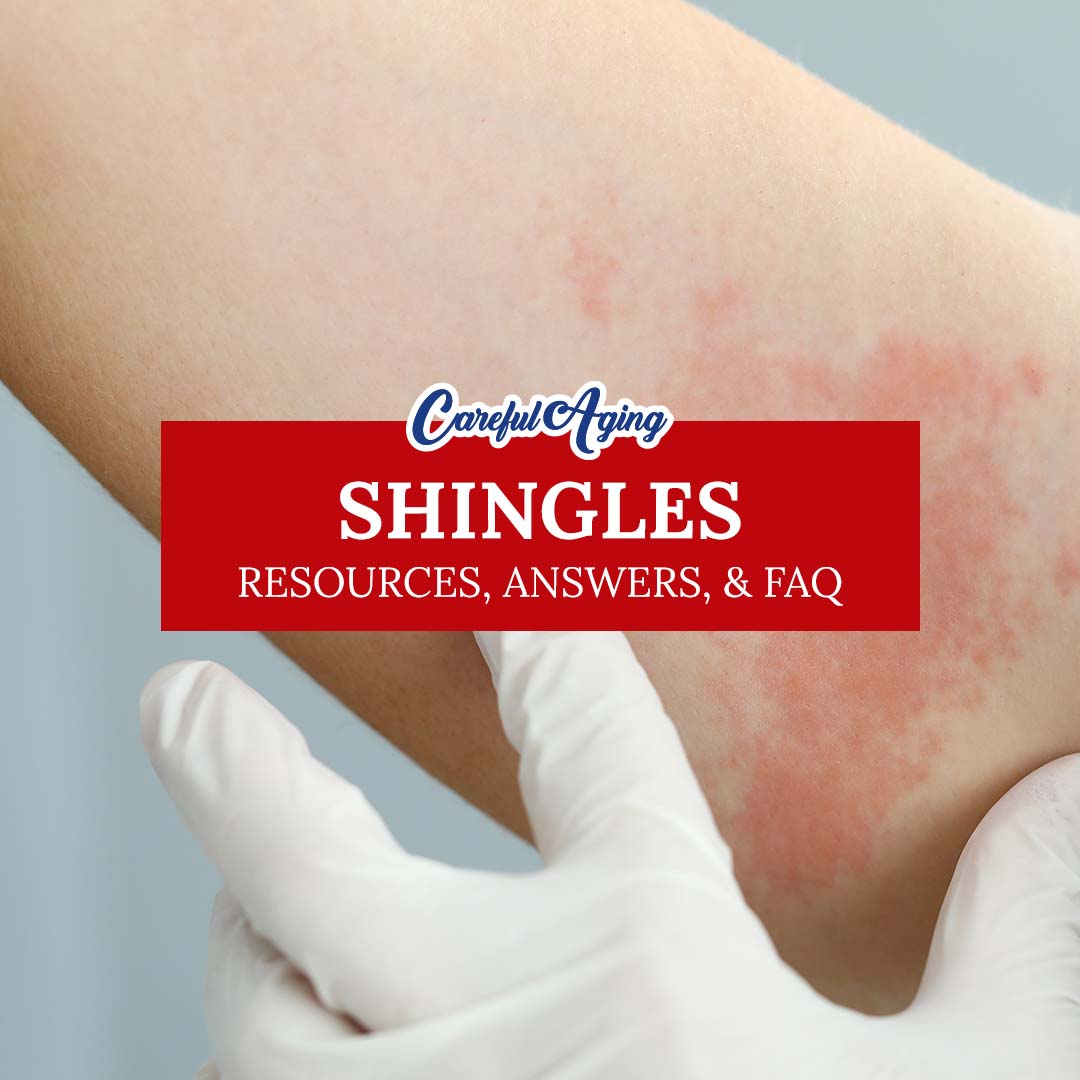
What are shingles?
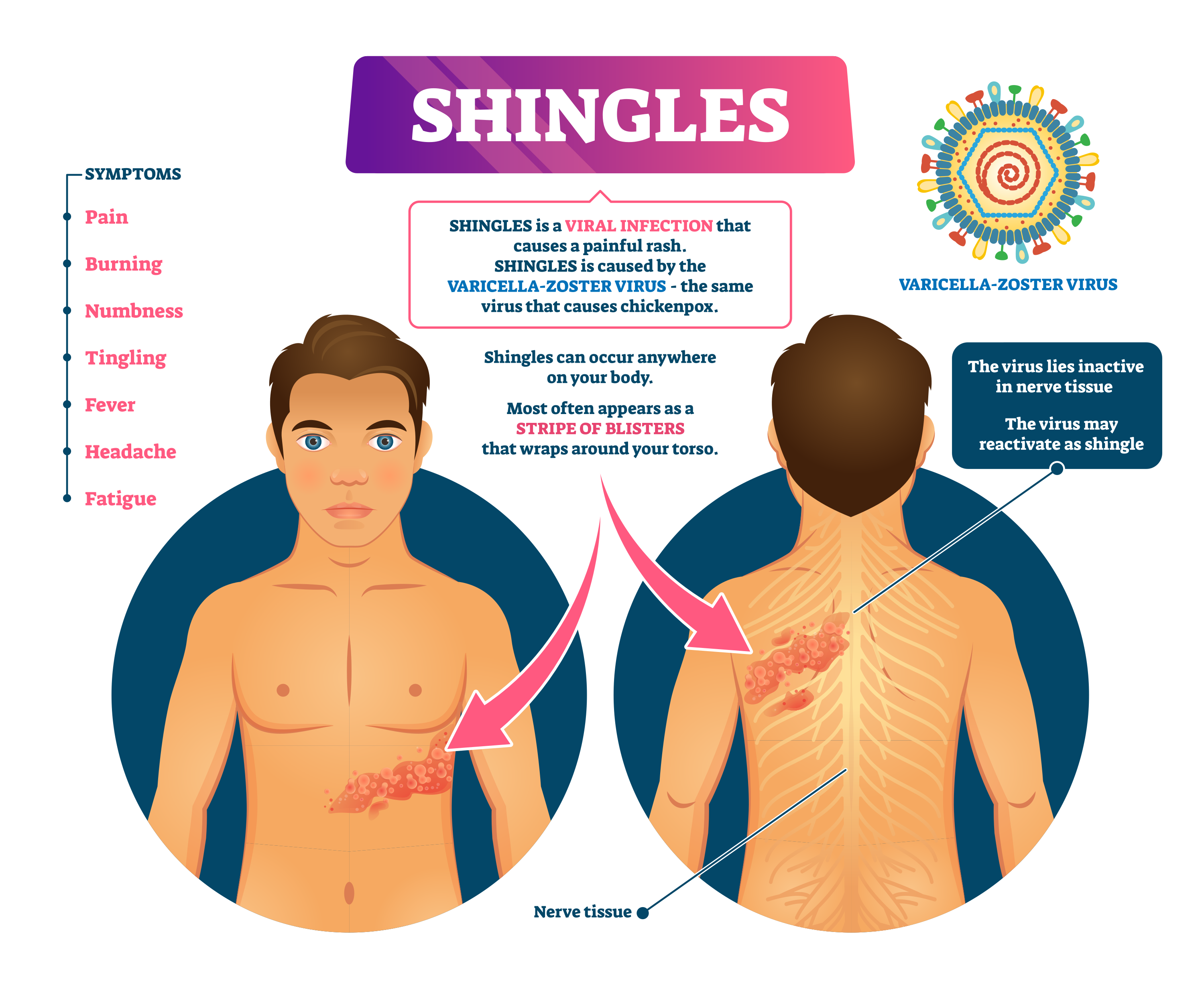
Shingles, or herpes zoster as it is sometimes called, is an infection caused by the chickenpox virus. This varicella virus is dormant in your body after you have the chickenpox infection. For some reason, the virus can reactivate later in life, causing the typical painful rash that is common in shingles. The pain occurs because the virus affects the nerves of the body. Unfortunately, about one out of every three people will get shingles.
What are the risk factors for shingles?
Anyone who has had chickenpox in the past is at risk for chickenpox. If you were born before 1980, you probably had chickenpox, even if you do not remember the infection. For those born after 1980 or older adults who have NOT had chickenpox, the Varivax vaccine against chickenpox can reduce the chance of getting both chickenpox and shingles. In general, the people most at risk for shingles are those who have a decreased response to infections, including those on certain medications, those with cancer or other diseases, or anyone under chronic stress. As you age, your risk for shingles increases as your ability to fight off infections decreases.
Although you cannot catch shingles from someone else, you CAN catch chickenpox from someone with shingles if you did not have chickenpox as a child. If you have shingles, it is important to stay away from people who have never had chickenpox.
How can I prevent shingles?
Fortunately, there are two vaccines against shingles that are approved for use in the United States. The older vaccine, Zostavax, can still be used and is usually readily available for those over 60 years of age. However, the newer recombinant zoster vaccine (Shingrix) is the vaccine that is recommended by the Centers for Disease Control and Prevention (CDC) and is given to individuals over 50 years of age. When you get the Shingrix vaccination, you will get two doses of the vaccine six months apart. This vaccination is about 90% effective in preventing shingles.
“It is health that is real wealth and not pieces of gold and silver.”
― Mahatma Gandhi

7 Best Monthly Medication Sets You Have to Try in 2020
Managing medication either for yourself or a loved one can not only be a big problem but also can lead to serious major health concerns. Studies have shown that over 55% of Americans have admitted to taking a medication incorrectly at some point. In some cases this can lead to long term complications, hospitalization or death.

7 Best Weekly Medication Sets You Have to Try in 2020
Managing medication either for yourself or a loved one can not only be a big problem but also can lead to serious major health concerns. Studies have shown that over 55% of Americans have admitted to taking a medication incorrectly at some point. In some cases this can lead to long term complications, hospitalization or death.
Cerebrovascular Accident or “Stroke” – Resources & FAQ
“CVA”. This might be a word that you think of every day or one that you’ve never heard before. What is a CVA? Are you at risk? What can you expect if you’ve had a CVA? How can I help my loved one through this experience? All these questions and more are just ahead.
“Doctors won’t make you healthy. Nutritionists won’t make you slim. Teachers won’t make you smart. Gurus won’t make you calm. Mentors won’t make you rich. Trainers won’t make you fit. Ultimately, you have to take responsibility. Save yourself.”
– Naval Ravikant
What are the signs and symptoms of shingles?
The first symptom of shingles may be pain or itching in the place where a painful, blistering rash on one side of the body will develop in a few days. The rash tends to follow nerve pathways, so the blistering often appears as a band or strip on one area of the body. If the shingles are on the face or head, it is usually on one side. In addition to the painful rash, you may also have:
- Skin tingling or numbness
- Pain that increases with touch
- Headache
- Fever and chills
- Nausea
As the shingles begin to disappear, the blisters will open, and crusts will form. At this point, you are no longer contagious. The pain usually goes away as the blisters disappear, but some people have pain for months or years. This chronic pain is caused by nerves that have been damaged by the virus and continue to send pain signals long after the shingles are gone. You might hear this pain referred to as “postherpetic neuralgia”. If you continue to have pain even after the shingles rash is gone, contact your healthcare provider. You might need to be on an anti-inflammatory or pain medication long after the rash is gone.
What are the treatments for shingles?
Although there is no cure for shingles, there are some medications you can take that will help decrease the severity of the symptoms. Your healthcare provider may prescribe an antiviral medication such as acyclovir, valacyclovir, or famciclovir to shorten the length of the infection
To manage the pain, you can take over-the-counter (OTC) pain medications. For those with extreme pain not managed by OTC medications, your doctor may prescribe something stronger such as topical patches, numbing creams or gel, corticosteroids, or narcotics.
What can I do at home to manage my shingles?
Shingles usually last about two to six weeks. During this time, there are several things you can do to manage the disease at home:
- Take the medications prescribed by your healthcare provider
- Maintain a healthy lifestyle being sure to eat healthy meals and getting plenty of sleep
- Try taking an oatmeal bath or using calamine lotion on the affected areas
- Keep the rash covered as much as possible to avoid infecting others
- Do not scratch the rash
- Use cool washcloths to ease the pain and help dry the blisters – be sure to use the cloths one time only then wash in hot water
- As much as possible, maintain your normal exercise pattern
- WASH YOUR HANDS FREQUENTLY!
How can I get support for shingles?
Start with your healthcare team that is treating you for shingles. They have experience with the disease and can provide you with a ton of information about the disease. The team can also direct you to other community resources for support.
A good source for support and answers to your questions about shingles is the National Shingles Foundation. Another great group to check out is the Herpes Viruses Association
The CDC has an excellent fact sheet about shingles free to download.